



07 Sep 2026
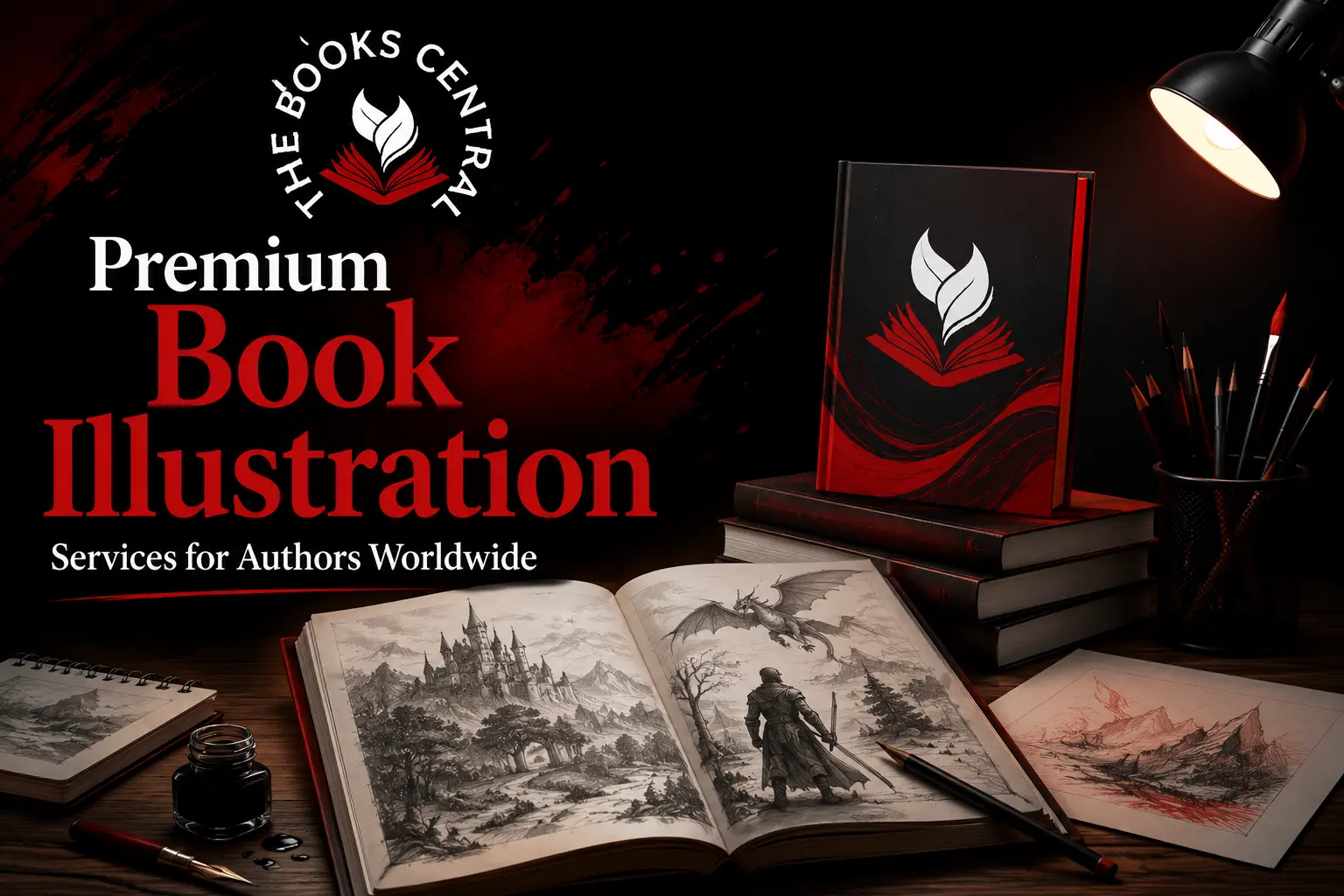
I still remember the first time I hired an illustrator for one of my books. Had absolutely no clue what I was doing. Honestly, the whole process of tracking down premium book illustration services felt more overwhelming than writing the actual manuscript, and that manuscript took me over a year. So many styles to pick from, so many pricing structures, and about a dozen questions I didn’t even know I should’ve been asking before I signed anything.
A few books later, I’ve picked up enough scars, I mean experience, to actually feel confident guiding other authors through this now. So this is me sharing what I’ve learned, mistakes and all, so you can skip some of the trial and error I stumbled through.
Why Illustration Quality Shapes How Readers See Your Book
Let’s be honest here. Readers judge books by their covers constantly, no matter how many times we’re told not to do that. But illustration goes way beyond just the cover. Interior art, character designs, chapter openers, all of it adds up to how professional and polished a book actually feels once someone cracks it open for real.
I learned this lesson with a middle grade book I published a few years back. Writing was solid, I’d worked on it forever. But the illustrations I initially commissioned came out a bit stiff, kind of generic honestly. Sales were fine, nothing exciting. Then I invested in reworking the art with a more skilled illustrator, and something shifted. Reviews started mentioning the artwork specifically, completely unprompted, which had never really happened before that point. That’s when it clicked for me, why premium book illustration services matter so much for certain genres, especially children’s books, graphic novels, anything visually driven at its core.
There’s a psychological piece here too, one I didn’t fully appreciate at first. Good illustration signals that an author cared enough to invest in every part of the reading experience, not just the words on the page. Readers, even subconsciously, tend to link that visible care with quality writing as well. Not always fair, I know plenty of gorgeously illustrated books with pretty mediocre writing inside. But the association exists whether we like it or not, and ignoring it means leaving something on the table.
What Actually Counts as Premium in Illustration Work
This word gets thrown around constantly, so let me break down what it actually means based on what I’ve seen working with different illustrators over the years.
Premium usually points to a combination of things. Technical skill, obviously, clean linework, strong composition, character designs that stay consistent piece after piece. But there’s more to it than raw talent alone. Communication matters just as much, maybe more. The illustrators I’d genuinely call premium were the ones who asked thoughtful questions before diving in, who gently pushed back when a request didn’t quite make visual sense, and who handled revisions without drama or endless delays.
Turnaround time is something people underestimate too. A skilled illustrator with a packed schedule might take months just to fit you in, while someone less experienced could turn things around in a couple weeks, but with rougher results overall. Finding someone who balances both quality and reasonable timelines is honestly rarer than you’d expect. When you do find that person, hold onto them for future projects. Seriously.
Quick tip: True premium illustration work is a mix of technical skill and communication. An illustrator who asks thoughtful questions upfront and handles revisions smoothly is often more valuable than one with flashy portfolio pieces alone.
Finding the Right Illustrator for Your Project
So how do you actually find someone worth hiring? I wish I had a clean formula for you, but it really depends on your book and your budget, unfortunately.
Platforms like Reedsy and Behance work fine as starting points if you’re casting a wide net. I’ve also had decent luck browsing Instagram hashtags tied to specific illustration styles, since a lot of freelance illustrators post their portfolios there before they’ve even built a proper website. Facebook groups for self published authors sometimes have illustrator recommendation threads floating around too, which can be genuinely useful since you’re hearing from people who’ve actually worked with these artists before you commit to anything.
When I’m going through someone’s portfolio, I look for consistency over flashy standout pieces. One stunning illustration doesn’t really tell you whether someone can maintain that quality across an entire book’s worth of artwork. I hired someone once based purely on one incredible sample piece, only to watch their work get noticeably weaker, rushed looking even, by the twentieth illustration in the series. Lesson learned, the hard way, like always with me apparently.
Questions Worth Asking Before You Commit
Before signing anything now, I always ask a handful of specific questions, things I really wish someone had told me to ask years earlier.
First, what’s actually included in the price? Some illustrators charge per piece with unlimited revisions built in, others cap revisions at two rounds and charge extra past that. Knowing this upfront saves you from an awkward conversation later when you’re asking for a fourth tweak to a character’s facial expression and suddenly there’s an invoice attached.
Second, who owns the final artwork once it’s done? This one trips up a ton of first time authors, myself included at one point. Some illustrators hold onto certain rights, especially around merchandising or reprints in different formats, unless you negotiate full buyout rights beforehand. I nearly hit this wall myself when I wanted to use interior illustrations for promotional social media graphics, and had to circle back and clarify usage rights after the fact. Awkward conversation, entirely avoidable if I’d just asked earlier.
Third, what happens if the working relationship just isn’t clicking partway through the project? Good premium book illustration services usually have some kind of process worked out for this, whether it’s a kill fee for partial work already done or a clear cancellation policy laid out upfront. Having this talk early, even if it feels a little uncomfortable in the moment, saves a lot of stress if things end up not working out.
Budgeting Realistically for Illustration Work
Costs swing wildly depending on style complexity, how experienced the illustrator is, and how many pieces you actually need for your project. A simple black and white line drawing for a chapter header might run fifty to a hundred bucks, while a fully rendered color spread from an established illustrator could easily hit several hundred dollars for a single piece.
For my last illustrated project, a picture book with sixteen spreads total, I budgeted around four thousand dollars for illustration alone. That felt like a mid range spend based on what other authors in similar genres told me they were paying. Some authors spend far less working with newer illustrators still building out their portfolios, and some spend considerably more for illustrators with established followings who bring built in marketing value along with their artwork.
My honest advice? Get quotes from at least three or four illustrators before committing to anyone. Prices vary way more than you’d expect for comparable skill levels, and gathering a few quotes gives you a much more realistic sense of where the market actually sits for your specific project.
A Real Example From a Recent Project
For a fantasy novella I put out last year, I hired an illustrator for one detailed cover piece plus three interior chapter break illustrations. We went back and forth on character design for almost three weeks before locking anything down, mostly because I kept second guessing tiny details, hair color, clothing style, that sort of thing.
Looking back, all that back and forth actually made the final product stronger, even though it tested my patience quite a bit at the time, I won’t lie. The illustrator stayed patient through all my indecision, offered helpful suggestions whenever I got stuck, and the final artwork ended up matching my vision better than my original brief probably deserved, honestly. That project reminded me exactly why paying for genuinely premium book illustration services, instead of grabbing the cheapest option floating around, tends to pay off in the end, even when the process drags on longer than you’d initially hoped for.
Worth remembering: Get quotes from at least three or four illustrators before committing to anyone. Prices vary widely for comparable skill levels, and multiple quotes give you a realistic sense of the market for your specific project.
Common Mistakes Authors Make With Illustration
I’ve made several of these mistakes myself over the years, so take this as a friendly heads up from someone who’s been there.
Rushing the brief is a big one, probably the biggest honestly. Hand an illustrator a vague description and expect them to read your mind, and you’ll likely end up disappointed with that first draft, through no real fault of theirs at all. Spending extra time upfront writing detailed character descriptions, gathering mood references, even sketching rough ideas yourself, however terrible they might look on paper, saves everyone time later down the line.
Choosing style over fit trips people up too. Just because an illustrator’s portfolio looks gorgeous doesn’t automatically mean their particular style suits your specific book. A soft, whimsical illustration style might be beautiful sitting on its own, but completely wrong for, say, a gritty horror novel.
Underestimating revision time causes headaches as well. Authors often assume that first draft will land close to final, but illustration is genuinely an iterative process by nature. Building revision rounds into your project timeline from the very start prevents a lot of needless stress once things actually get underway.
Final Thoughts
Investing in premium book illustration services isn’t just about making your book look pretty, though sure, that matters too, obviously. It’s about building a complete reading experience that actually matches the effort you poured into the writing itself, and giving readers something to remember your book by long after they’ve closed it.
If you’re sitting on the fence about whether it’s worth the money, here’s my take. Start small if your budget’s tight, maybe just a strong cover illustration to begin with, and build outward from there as your books start earning back that initial investment. But don’t skip illustration entirely if your genre genuinely calls for it. The right artwork, paired with an illustrator who actually gets your vision, can genuinely transform how readers connect with your work, long after they’ve turned that very last page.