



05 Oct 2026
So which one should you actually pick? Paperback vs hardcover vs eBook is one of those questions that sounds simple until you’re the one staring at a publishing dashboard at midnight trying to decide. There’s no universal answer here. Never has been.
I’ve talked to dozens of authors about this, and it’s funny how often the decision flip flops right up until launch day. One week they’re sure it’s eBook only, the next week they’ve convinced themselves hardcover is non negotiable. Some readers genuinely want a physical book, one with some heft to it, pages that get a little worn from being read over and over. Other readers just don’t care about any of that at all, and that’s fine too.
Neither camp is wrong. That’s kind of the whole point.
Your actual job isn’t finding the “correct” format. It’s figuring out which one, or which combo of formats, matches how your readers actually shop. Sometimes that means testing the waters with an eBook first. Sometimes it means going big with all three right out of the gate. There’s no single roadmap for this, just patterns other authors have already stumbled through before you.
Let’s get into what paperback, hardcover, and eBook publishing really cost, who tends to buy each one, and how to figure out what’s right for your book. Not authors in general. Yours.
Understanding the Basics of Each Format
Before jumping into strategy, let’s just get clear on what each format actually brings to the table. Skip this step, and you’ll probably regret it later.
What Makes Paperback Popular
Paperback is still the default for most fiction, and plenty of nonfiction too. Makes sense why. Keeping production costs down means keeping prices down, and that’s a win for everyone involved, readers and authors alike. Bookstores are happy to stock paperbacks too since they’re lighter and don’t chew up much shelf real estate. For most casual readers, picking up a paperback just feels like the obvious, low pressure choice.
This is usually where new self published authors land first, and it’s a smart call. Print on demand pairs beautifully with paperback formatting. You’re not guessing how many copies to order or storing boxes in your garage for months. A copy prints the second someone clicks buy. That one detail alone wipes out a huge chunk of financial risk for anyone just starting out.
Why Hardcover Still Matters
There’s something about hardcover that paperback just can’t touch. Heavier. Sturdier. Feels like an event rather than a purchase. The spine survives more than one read through. People buy hardcovers as gifts constantly. And plenty of longtime fans grab the hardcover even after they’ve already read the eBook twice, purely because they want the “real” copy sitting on their shelf.
The catch, obviously, is price. Hardcover printing costs jump considerably, so retail prices follow right along. That’s fine, though. Don’t think of hardcover as your main format. Think of it as the premium tier for readers who are already sold on you.
The Convenience Factor of eBooks
eBooks basically rewired how people read, full stop. Finish one, start the next in under sixty seconds. No shipping wait, no shelf space needed, nothing standing between a reader and their next chapter. In genres like romance, thrillers, self help, eBooks now outsell print by a margin that’s honestly a little embarrassing if you actually look at the numbers.
They’re cheap to make too, once your file’s formatted right. No gambling on a print run before you even know if the book sells. You just publish and let readers vote with their wallets.
Comparing Cost and Profit Margins
Let’s talk actual numbers here, because paperback vs hardcover vs eBook stops being philosophical real fast once money enters the conversation.
Paperback printing usually costs two to six bucks a copy, depending on length and trim size. Retail typically lands around ten to eighteen dollars, which leaves a fair, if modest, margin for authors.
Hardcover costs climb noticeably higher, often six to twelve dollars a unit. That pushes retail up past twenty dollars, sometimes well past it. Margin per copy can be solid, sure, but fewer people impulse buy a pricier hardcover when a cheaper paperback’s sitting right next to it on the same page.
eBooks flip this whole equation on its head. No printing. No shipping. No storage costs, period. Amazon KDP pays authors up to seventy percent in royalties on eBooks priced between $2.99 and $9.99, which is honestly a far better deal than most traditional publishing contracts used to offer writers. Looking at it dollar for dollar, eBooks come out ahead as the most profitable format overall, even though each sale rings up for less money than a printed copy would.
Chasing pure profit margin? eBooks generally win. Want reach and accessibility? Paperback’s your format. Care about prestige and higher perceived value? That’s hardcover territory, assuming your readers are willing to pay for the feeling.
Who Actually Buys Each Format?
Reading habits are messier than most first time authors expect. Knowing this upfront saves you a ton of wasted guesswork down the line.
Younger readers and hardcore genre fiction fans lean hard toward eBooks. They read fast. They buy often, sometimes several books a week without blinking. Low prices let them binge a whole series guilt free. A lot of them also pair eBooks with audiobooks depending on whether they’re commuting or curled up somewhere quiet.
Paperback buyers tend to be your casual crowd. They like the feel of a real book but aren’t necessarily willing to pay hardcover prices just for that experience. This describes a huge portion of everyday readers, particularly people buying standalone novels or grabbing something light to read on a flight. Hardcover buyers, on the other hand, mostly split into two groups. Either they’re die hard fans who want the collector’s edition sitting on their shelf, or they’re picking it up as a gift for somebody else. Genres like memoirs, business books, and literary fiction also tend to sell better in hardcover, largely because readers tend to view those categories as carrying a bit more weight or seriousness.
Figure out which group actually makes up your readership, and you’ll know exactly where to put your money first instead of spreading yourself thin across three formats before you’ve even confirmed which one sells.
How Book Presentation Impacts Sales
No matter which format you go with, presentation can make or break the sale. And a lot of authors don’t realize this until it’s already cost them readers. A messy paperback layout, a glitchy eBook file, either one will send people clicking away before they’ve read a single sentence of your actual story.
This is exactly why book formatting services are worth paying for. Solid formatting is what makes your paperback look like it could sit comfortably next to a traditionally published title, and it’s what makes sure your eBook actually displays properly no matter which device or app someone happens to be using. Small issues like awkward spacing, fonts that don’t match, or chapter breaks that land in weird places tend to chip away at sales quietly, and most authors never even realize it’s happening.
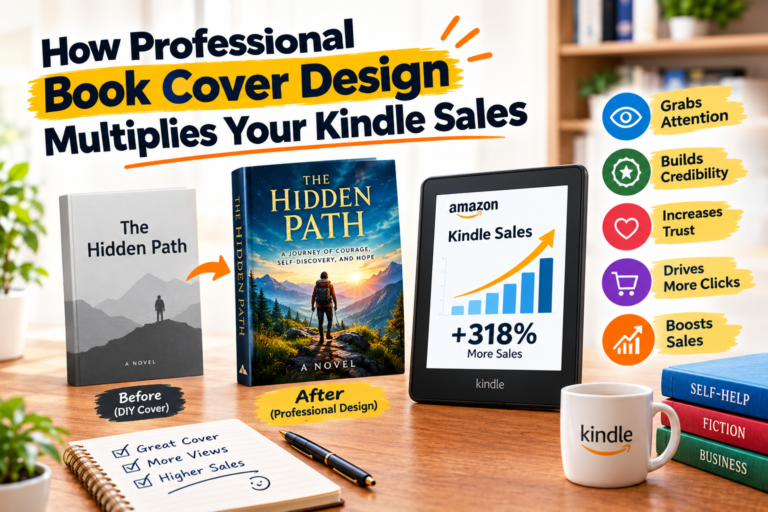
Cover design matters just as much. Arguably more. People judge books by their covers, full stop, and that judgment happens in about two seconds flat while someone’s scrolling past a wall of thumbnails. A strong, professional cover is often the only thing standing between a scroll past and an actual click to buy, especially on a crowded platform like Amazon where your book’s sitting next to a thousand others that look just like it.
Serious about selling well across all three formats? Investing in solid book publishing services usually pays for itself pretty quickly. Most cover formatting, cover design, sometimes even distribution or keyword strategy, saving you time while making your book look like it actually belongs on the shelf. Physical or digital, doesn’t matter.
Making Your Final Decision
So, paperback vs hardcover vs eBook, which one do you pick? Honestly? Don’t pick just one.
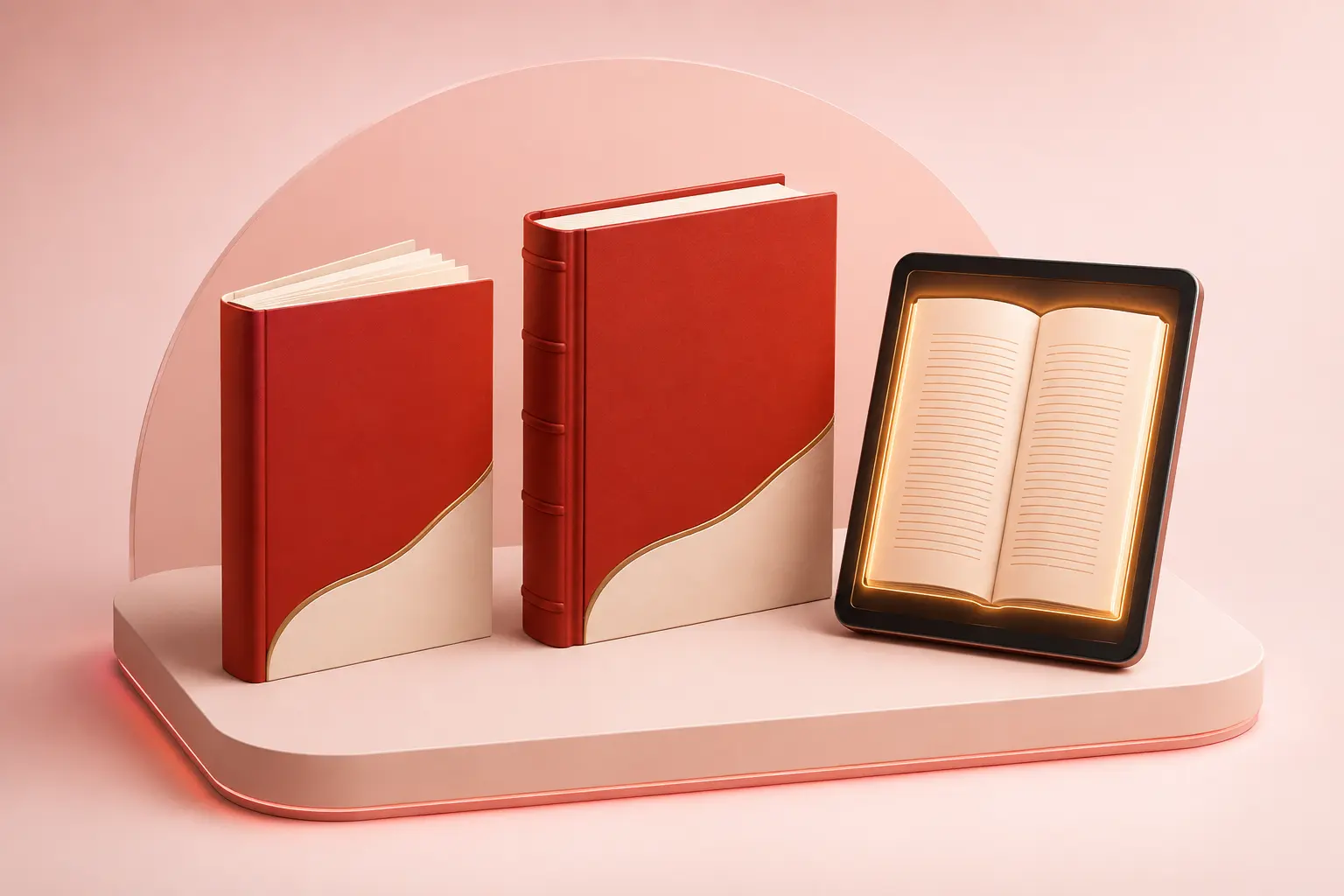
Plenty of successful authors release all three simultaneously, and there’s a good reason it’s become the norm rather than the exception. People call it a multi format release, and it works because it catches readers at every price point and preference at once. Someone wants convenience, they grab the eBook. Someone wants a keepsake, hardcover it is. Someone’s sitting somewhere in the middle, they grab the paperback and move on with their day.
If money or time forces you to prioritize one, go with whatever your specific readers already prefer. Look at comparable books in your genre. Pay attention to which formats are actually moving on those sales pages. That’ll teach you more than any generic advice floating around online, this article included.
Testing the Waters Before Committing
Still not sure? Try a soft launch. Release the eBook first since it costs the least and moves the fastest. See how readers respond. Collect a few honest reviews. Use that early feedback to decide whether paperback or hardcover is worth the investment a few months down the road.
This slower approach cuts your risk considerably while still handing you real data before you spend money on print runs or premium hardcover editions. Quite a few authors have dodged expensive mistakes just by waiting a little longer before committing to anything physical.
Conclusion
At the end of the day, paperback vs hardcover vs eBook isn’t really a competition. It’s about matching the format to the reader standing in front of you. Paperbacks keep things affordable and accessible for casual readers. Hardcovers give devoted fans and gift buyers something worth holding onto. eBooks bring speed, convenience, and the best profit margins per sale, by a wide margin.
Instead of agonizing over picking just one winner, think about who your readers actually are, what your budget allows, and where you want this author career to go. A lot of writers eventually land on offering all three, backed by decent book formatting services and a book cover design that actually stops the scroll. That combination tends to cover every base without much extra effort.
Whatever you land on, just make sure the presentation matches the quality of what you’ve actually written. Format matters, sure, but a well made, professionally polished book stands out no matter what. Shelf, paperback, hardcover, or glowing quietly on someone’s phone as an eBook. Doesn’t matter which. Good work finds its readers eventually.