


09 Sep 2026
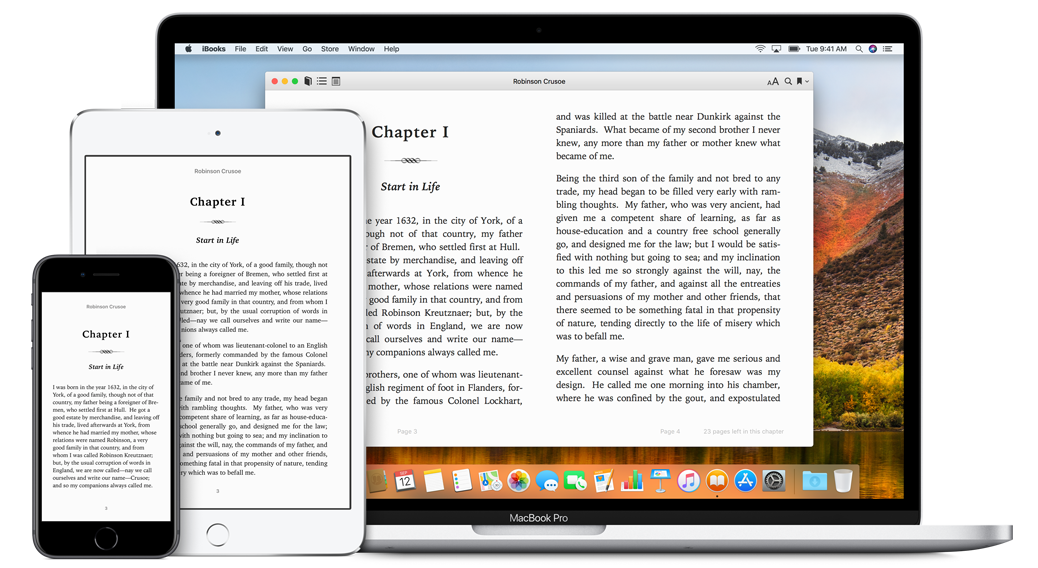
So you finished the book. Actually finished it, not just “almost done for the third year running.” That’s genuinely the hard part, and most people never get there. But now there’s this other problem sitting on your desk, quieter than writing but honestly just as annoying: how does this Word doc turn into something readable on a Kindle, or someone’s phone at midnight, or whatever tablet their kid left on the couch. This is usually when people start Googling “ebook formatting company” and immediately regret it. A hundred companies. Prices from twenty bucks to a thousand. No real way to know who’s good.
I’ve watched a couple of writer friends go through this, one got burned pretty badly the first time, fixed it the second round. Let’s actually walk through what matters.
Why Formatting Matters More Than People Think
Nobody tells new authors this upfront, but formatting isn’t a checkbox you tick and move on from. It quietly decides whether someone finishes your book or gives up in chapter two. Weird paragraph spacing. A chapter break landing in a bad spot. Images that just refuse to load on certain phones. A table of contents that leads absolutely nowhere, which happens more than you’d guess. Readers notice. Even people who couldn’t explain what “formatting” means will leave a review that says “hard to read on my Kindle,” and that review just… sits there. Forever, basically.
Good formatting is the opposite. It disappears. Nobody finishes a well-formatted book thinking about line spacing, they just remember the story. Kind of funny how that works, honestly.
So a lot of authors eventually stop trying to do it themselves and hire an ebook formatting company instead. Makes sense, that formatting software is fiddly and unforgiving, and one wrong click in Vellum can wreck your afternoon. But hire the wrong company and you might end up worse off than if you’d just muddled through it yourself. So you need some way to tell the real ones apart from whoever just sends back a generic template and calls it a day.
Quick tip: Always ask a formatting company for a free sample chapter before paying for the full project. It’s the fastest way to judge their quality without any financial risk.
What Bad Formatting Quietly Costs You
Think about the last free sample you downloaded where the text just looked… off. Spacing too tight, font randomly jumping mid-page. Did you buy it after that? I didn’t, last time it happened to me. Readers judge fast, sometimes unfairly fast, and a messy sample makes them assume the whole book got rushed.
There’s a boring technical cost too. Amazon KDP and Apple Books both have specific file requirements, and if you miss them, your upload just bounces back with some cryptic error message that explains nothing. That delay can push your launch by a week or two, which stings if you’ve already told your email list a date.
What to Actually Look For in an Ebook Formatting Company
Here’s something people don’t realize until they’re already in it: these companies aren’t interchangeable, no matter what the homepage says. Some live entirely in fiction. Others built their whole process around nonfiction, footnotes, charts, indexes, the stuff that breaks a generic formatter fast. And a few try to do everything, which usually just means they’re mediocre across the board.
Do They Actually Cover More Than One Platform?
Your book probably won’t stay parked on one retailer forever. Maybe you’re starting on KDP, sure, everyone does. But odds are decent you’ll want it on Apple Books or Kobo eventually too. So just ask, plainly, no dancing around it: can you build both EPUB and MOBI, and have your files actually passed distribution checks somewhere besides Amazon? A company with a specific answer knows what it’s doing. One that just says “oh yeah, we do everything” probably hasn’t been tested much beyond one platform.
Does Their Past Work Actually Look Like Your Book?
If you’ve written something image-heavy, a kids’ book maybe, don’t hire someone whose whole portfolio is plain-text thrillers. Ask for samples close to what you’ve made. Look at how they handle drop caps, scene breaks, chapter openers. Genre-specific experience matters way more than people expect going in, and you only really learn this the hard way once.
Turnaround Time, and Whether They Even Talk to You
A standard novel shouldn’t eat up a month with any decent company. Most reasonable ones quote somewhere between a few days and two weeks, depending on complexity. But speed’s only half of it. Watch how they communicate too, do they reply fast, do they explain things plainly instead of vague corporate reassurance. Small stuff like that tends to tell you how the whole project’s going to feel.
Questions Worth Asking Before You Hand Anything Over
Walk in with a short list ready. Otherwise you just end up nodding along to sales talk instead of getting real answers, and trust me, that happens more than you’d think.
Ask about revisions first, before anything else. Most decent companies build in a round or two of edits at no extra cost. If every tiny tweak costs more on top of that, good to know before you sign, not after you’ve already paid and the file looks off.
Ask which file types actually come with the price. EPUB and MOBI at minimum, plus a print-ready PDF if paperback’s anywhere in your plans. Some bundle it all. Others charge per format, and that adds up fast if you’re not watching closely.
Ask how they deal with the trickier stuff, footnotes, tables, hyperlinks, embedded fonts, whatever your particular book actually needs. A vague “sure, we can do that” isn’t really an answer. Push a little further.
Red Flags Worth Taking Seriously
A few patterns tend to spell trouble later. Companies that won’t show samples of past work. Ones that quote a flat price before asking a single question about your manuscript. Anyone promising a suspiciously fast turnaround for something clearly complicated. These usually mean corners get cut somewhere, speed over care, or volume over attention.
Also watch for anyone who can’t explain their own process in plain words. If they can’t tell you, simply, what actually happens to your manuscript step by step, there’s a decent chance it’s all running through the same rigid template no matter what your book needs.
Pricing Without Getting Fooled by the Number
Prices swing wildly across this whole industry, and honestly the number by itself tells you next to nothing. A $50 job might come out clean. A $500 one might come out sloppy. What actually matters is what’s included, not the sticker price sitting on top.
Check whether the quote covers both EPUB and MOBI, not just one of them. Check whether the table of contents actually links where it’s supposed to, not just looks like it does. Check if basic cleanup work, fixing orphan lines, uneven spacing, is included or something they’ll charge extra for once you’re already committed. Cheaper services sometimes quietly strip this stuff out just to win the initial quote.
It’s usually smarter to compare a handful of quotes rather than grabbing the first response. Ask for a sample chapter formatted in your book’s actual style before committing to the whole thing. A lot of companies offer this free, and it’s genuinely the safest way to judge quality before any money changes hands.
Remember: Formatting is a one-time cost that shapes every reader’s experience going forward. Treat it as part of your production budget, right alongside editing and cover design, not as an optional extra.
Cheap Now, or Worth It Later
Your formatting is basically a one-time cost that touches every single reader who opens your book. Paying a bit more for a company with solid reviews and a process they can actually explain usually beats grabbing the cheapest option and fixing problems down the line. Think of it less as a random expense, more as part of your production budget, sitting right next to editing and cover design.
Checking Reviews Before You Commit to Anything
Spend fifteen, twenty minutes tops, actually researching before handing over your manuscript. Author forums, Reddit threads, Facebook writing groups, these places tend to have honest, unfiltered opinions from people who’ve already lived through exactly what you’re about to go through.
Pay attention to how a company handles a bad review too. Everyone gets an unhappy client eventually, that’s just business. But a calm, professional response versus a defensive one tells you a lot about how they’d treat you if your own project hits a snag.
If you can, just message an author directly who’s used the service before. Most writers are pretty generous with honest feedback, especially in genre-specific groups where people genuinely look out for one another.
Making the Final Call
Once you’ve got quotes, sample chapters, and some real reviews in hand, narrow it down to two or three finalists. Compare them on the same terms, turnaround time, included file types, revision policy, price.
Trust your gut a bit here too, honestly. If a company answered your questions clearly and made you feel genuinely confident about the whole process, that counts for something real. This is a collaborative step, not just a transaction, and you want people on the other end who communicate well and actually respect what you’re trying to build.
Conclusion
Choosing the right ebook formatting company doesn’t have to feel as overwhelming as it does at first, not once you know what to actually look for. Focus on experience across platforms, a portfolio that matches your genre, clear communication, and pricing that’s upfront about what’s included. Ask pointed questions, request a sample chapter, and read real reviews before spending a single dollar.
Your book deserves to look as good on a screen as it reads on the page. Find an ebook formatting company that treats your manuscript like it actually matters, because it does, and that care ends up showing in the way readers talk about your book later on.