



05 Oct 2026
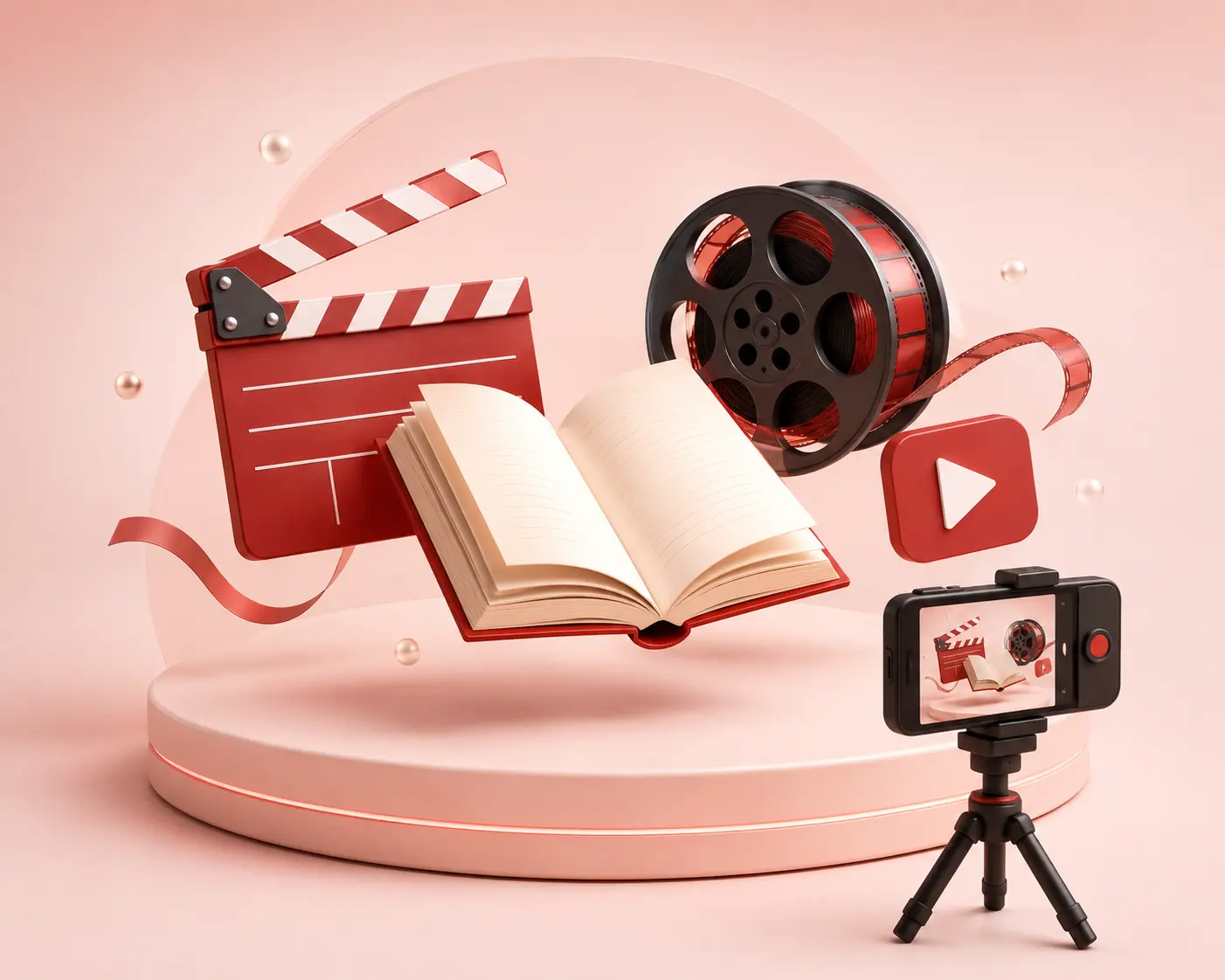
Every author hits this crossroads eventually, usually right when the book’s finally done and panic starts creeping in about how to actually sell the thing. The DIY vs Professional Book Trailer decision almost always boils down to three things, your budget, how much time you’ve actually got, and how patient you are with learning something new while the clock’s ticking. No wrong answer here really. Plenty of authors have sold books doing it either way.
I’ve seen it go both ways plenty of times, and honestly, it usually comes down to what you’re actually going for. Some folks just want something quick and simple to post on Instagram or TikTok and call it a day. Others have their heart set on a full blown, cinematic trailer, the kind that actually stops someone mid scroll and makes them pay attention for a second.
Book video marketing has quietly become one of the more important pieces of a successful book launch. People scroll fast these days, faster than most of us would like to admit, and a well made trailer can interrupt that scroll for just long enough to plant a seed of curiosity. Doesn’t matter if you make it yourself or pay someone else to do it. The end goal is identical either way. You want a stranger to watch fifteen seconds of video and feel like they need to know what happens next.
Let’s dig into what each route actually looks like in practice, what it tends to cost, and how you can figure out which one fits your book and your wallet right now.
What DIY Book Trailer Creation Actually Involves
Making a trailer yourself sounds terrifying the first time you consider it, but honestly, it’s a lot more doable than most authors assume going in.
The Tools You’ll Need
Making a book trailer without hiring anyone usually starts with software that’s free, or close enough to it that it doesn’t matter. Canva, CapCut, honestly even the editing app already sitting on your phone, all of these come with templates now built just for book promotion. No film degree required. No need to drop money on camera gear either.
Most people doing this themselves grab stock footage or images that fit their book’s mood, throw in some text pulled from the story’s best lines, and add music that won’t get flagged for copyright. Yeah, there’s a learning curve, nobody’s pretending there isn’t, but there’s enough free tutorials out there that a weekend, maybe two if you’re picky, gets you something usable.
The Real Time Investment
Here’s what catches people off guard almost every time. A DIY trailer might not cost anything in dollars, but it eats hours like nothing else. Learning the software, tracking down decent footage, writing something that doesn’t sound cringey, then actually stitching it all together, figure five to fifteen hours for your first go. Longer if you’re a perfectionist, and a lot of writers are, let’s be real.
The upside is that time shrinks fast after the first trailer or two. Plenty of authors end up actually liking the process, and by book two, they’re knocking a trailer out way quicker than they expected.
What Hiring a Professional Actually Gets You
Now let’s flip over to the other side of the DIY vs Professional Book Trailer conversation, because paying someone else changes the whole equation pretty dramatically.
Professionals just know things you won’t pick up from a handful of tutorials, not on your first try anyway. They get pacing in a way beginners usually don’t, and they know how to squeeze real tension into a clip that’s barely fifteen seconds long. A lot of them also have access to premium footage and licensed music that most of us can’t touch, and that alone bumps the whole thing up a level. Give a skilled editor your book’s strongest hook, and somehow they turn it into something that actually feels like a movie trailer instead of a school project.
Prices are all over the map depending on who you go with. Some Fiverr freelancer might do a basic version for fifty bucks, maybe two hundred if you want something a bit more involved.
The real payoff isn’t even the polish, though that’s nice too. It’s getting your time back. Hand this off to someone else, and you’re free to keep writing instead of losing a weekend to software you’ve never touched before. If you’ve got a day job, kids, or a half finished manuscript staring at you, that time back alone can be worth whatever it costs.
Comparing Cost, Quality, and Time
This is really where the DIY vs Professional Book Trailer decision boils down to plain numbers and whatever you personally value most.
Making it yourself barely costs a thing, but it’ll eat up real time, especially your first attempt. The results can range from perfectly fine to actually pretty impressive, but they rarely hit the level a professional reaches with the right eye and the right tools. If money’s tight and you don’t mind learning something new, doing it yourself is a fair call.
Hiring it out costs more right away, usually landing somewhere between a hundred bucks and several hundred depending on how long and complicated you want it. What you’re really buying is polish and your own time back. There’s also a middle ground plenty of authors land on without even planning to. Some start out making their own trailers for smaller releases or quick teasers, then set aside a real budget for the launches that actually matter, a series finale, a big release, something worth the extra shine.
Budget isn’t the whole story though. Your timeline plays a part too. If you’re crunched for time, a professional who can turn things around fast is probably the safer bet, while anyone with more breathing room can afford to mess around with DIY methods at their own speed.
How Book Trailers Fit Into Your Larger Marketing Strategy
No matter which path you end up choosing, a book trailer works best when it’s part of a bigger book video marketing plan rather than something you post once and forget about.
Share it everywhere your readers already hang out, social media, your author website, email newsletters leading up to launch week. Amazon now allows video uploads directly on product pages too, which puts your trailer right at the exact moment someone’s deciding whether to click buy. That placement alone makes it worth the effort.
Timing Your Trailer Release
Try releasing your trailer somewhere around two to four weeks before launch, give or take. That gives enough time to build some real buzz without letting the momentum fizzle out from posting it too soon. Throw it in alongside your cover reveal, a couple of ARC reviews coming in, and your preorder push, and the whole launch starts feeling like one connected thing instead of a bunch of random posts thrown together.
Making Your Final Decision
So how do you actually land on a choice between DIY vs Professional Book Trailer creation for your own book? Start by being brutally honest with yourself about two things, your budget and your available time.
If money’s tight right now and you genuinely enjoy tinkering with new creative tools, DIY gives you a completely reasonable place to start. You’ll save cash, and there’s a decent chance you’ll discover you actually like video editing more than you expected to.
If your launch has some financial breathing room, and you want a trailer that looks legitimately competitive without eating into your writing time, hiring a professional makes a lot of practical sense. Services that specialize in author marketing, The Books Central being one worth mentioning, understand exactly what turns a casual browser into an actual buyer, which can make that upfront cost feel worth it pretty quickly.
Neither option here is the wrong one, whatever some corner of Twitter tries to tell you. What matters most is making something that actually feels like your book and gets it in front of people who’d genuinely enjoy reading it.
Conclusion
At the end of the day, this whole DIY vs Professional Book Trailer thing really just comes down to your own situation, not some rule that applies to every author the same way. Doing it yourself saves money and teaches you something useful along the way, but it’ll cost you real hours, especially that first time. Hiring it out costs more upfront, sure, but you get polish, real expertise, and hours back that could go straight into your next book instead.
Whichever way you go, remember that book video marketing works best as part of a bigger picture, not a one time thing you check off and forget. Pair your trailer with a solid cover, clean formatting, and steady promotion across a few channels, and you’ll set yourself up for something that actually works.
At the end of the day, a good trailer really only has one job, and it does it well when it’s made right. It makes a total stranger curious enough to stop scrolling, read your description, and hopefully tap that buy button a few seconds later. Whether you build it yourself on a Saturday afternoon or bring in someone who does this for a living, that’s the outcome every single author is actually chasing.